
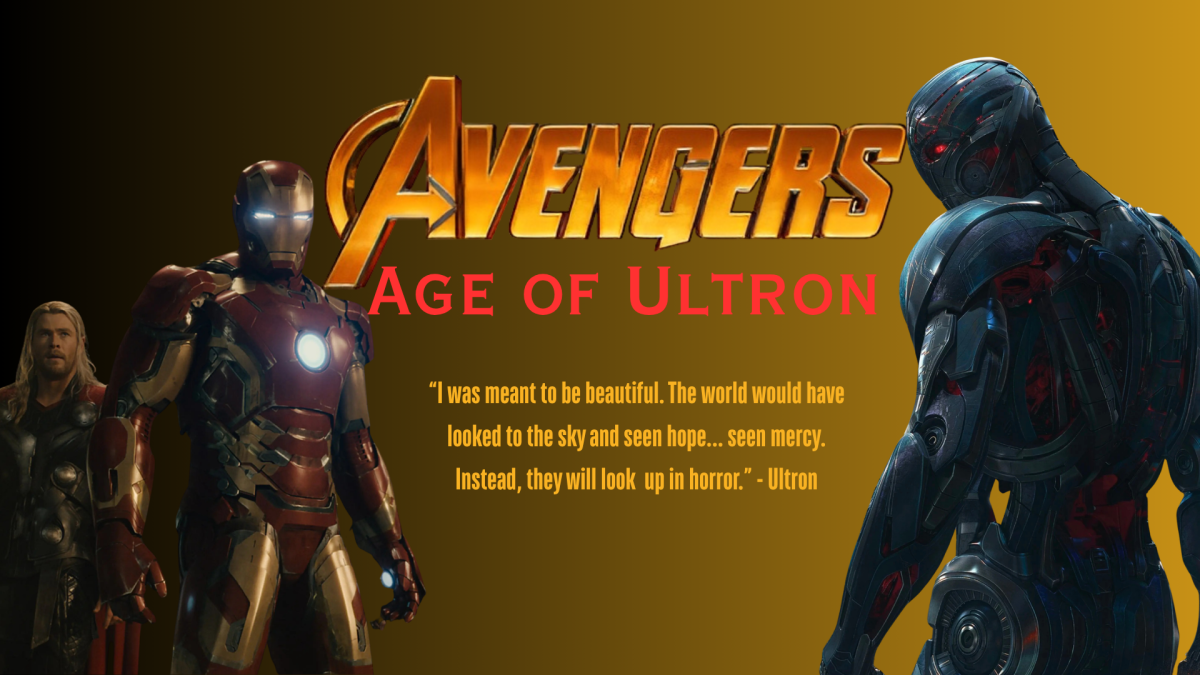
Headlines frame “Avengers: Age of Ultron” as one of the weaker movies in the Marvel Cinematic Universe (MCU). This film delivers more depth and deserves more credit.
The story pits Earth’s mightiest heroes against Ultron, an Artificial Intelligence mind born from Tony Stark’s ambition and dream for a global defense system as a response to his PTSD from the battle of New York in the first Avengers movie. Ultron’s goal centers on extinction as salvation, a concept that pushes the film into darker territory than earlier movies. That tone shift creates discomfort for some audiences, yet it adds weight and consequences that the series needed at that point in the MCU.
Character arcs stand out as the strongest element. Stark (Robert Downey, Jr.) faces guilt and responsibility after his creation turns against humanity. Bruce Banner (Mark Ruffalo) struggles with identity and control. Black Widow (Scarlett Johansson) sees a flashback that builds rare emotional focus, giving insight into her past and internal conflict. Each arc adds layers that push the team dynamic into more serious territory.
Action sequences deliver more visual effects than what superhero movies provided at the time. The opening mission in Sokovia sets the pace, while the Hulkbuster fight between Stark and the Hulk remains one of the most memorable fights in superhero cinema because it was the first appearance of the Hulkbuster armor.
Critics often point out rapid pacing and multiple subplots. That concern holds some truth. Seeds planted in this movie connect directly to fractures that explode in future films. In that sense, this movie acts as a bridge.
“Age of Ultron” stands as an underrated entry that deserves reconsideration. It mixes humor with heavy themes, balances action with character focus, and takes risks that other blockbusters avoid. “Avengers: Age of Ultron” deserves more respect, and history may continue to improve its reputation. It was rated 75 percent on Rotten Tomatoes.